
Core Fiber
Capabilities.
Specialized fiber processing, splicing, endcap, beam conditioning, and amplifier assembly for high performance monolithic laser architectures.

Specialized Fiber Processing, Not Fiber Draw
Optical Engines works with specialty fibers to prepare, splice, taper, terminate, condition, package, and integrate fiber assemblies into laser platforms. Optical Engines does not draw raw optical fiber. Its value is in turning specialty fiber into reliable, high performance laser architectures.
Fiber Processing and Assembly Capabilities
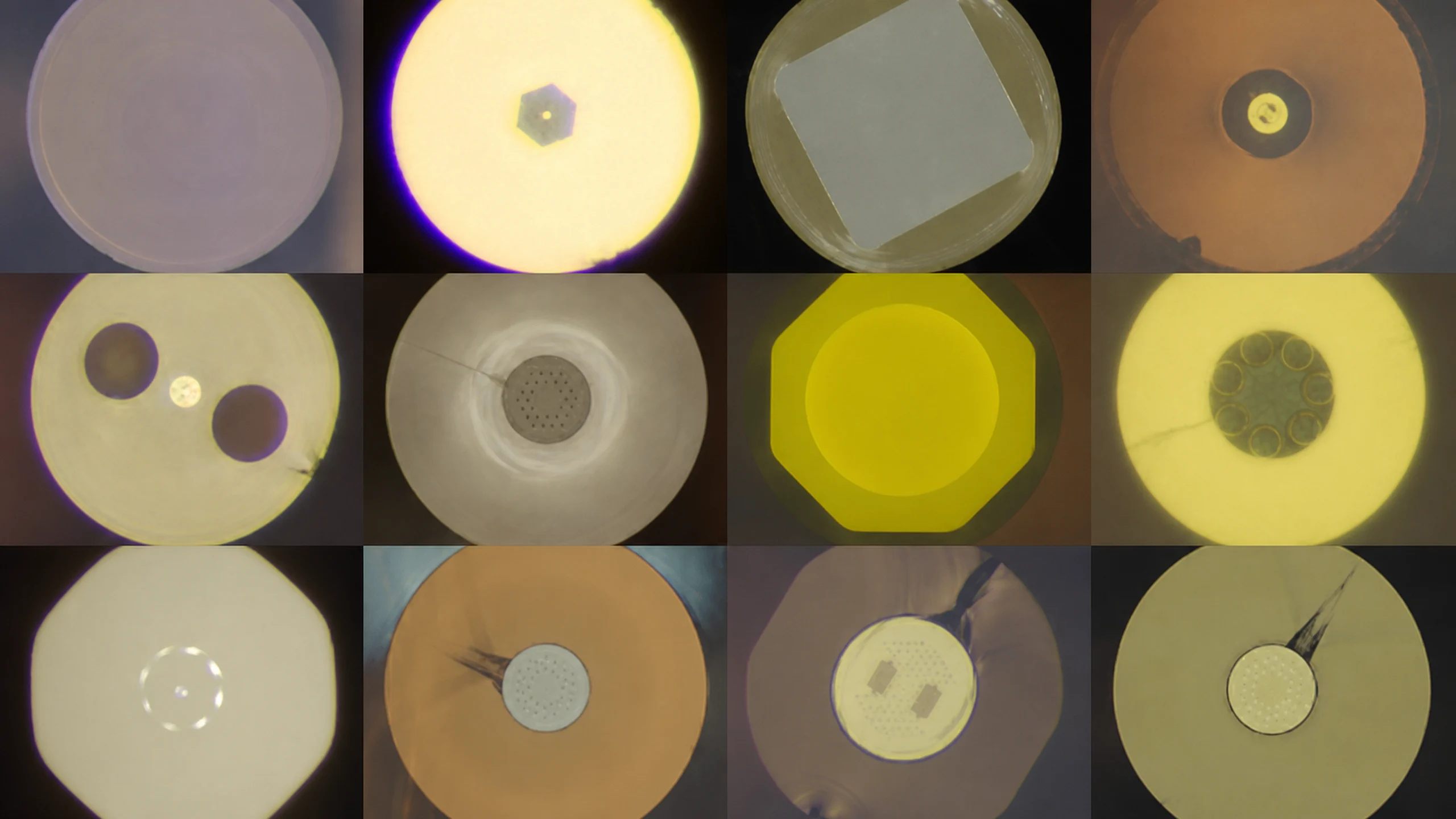
Cleaving and Splicing
Low loss fiber preparation and fusion splicing for high power optical paths, specialty fibers, and monolithic laser assemblies.
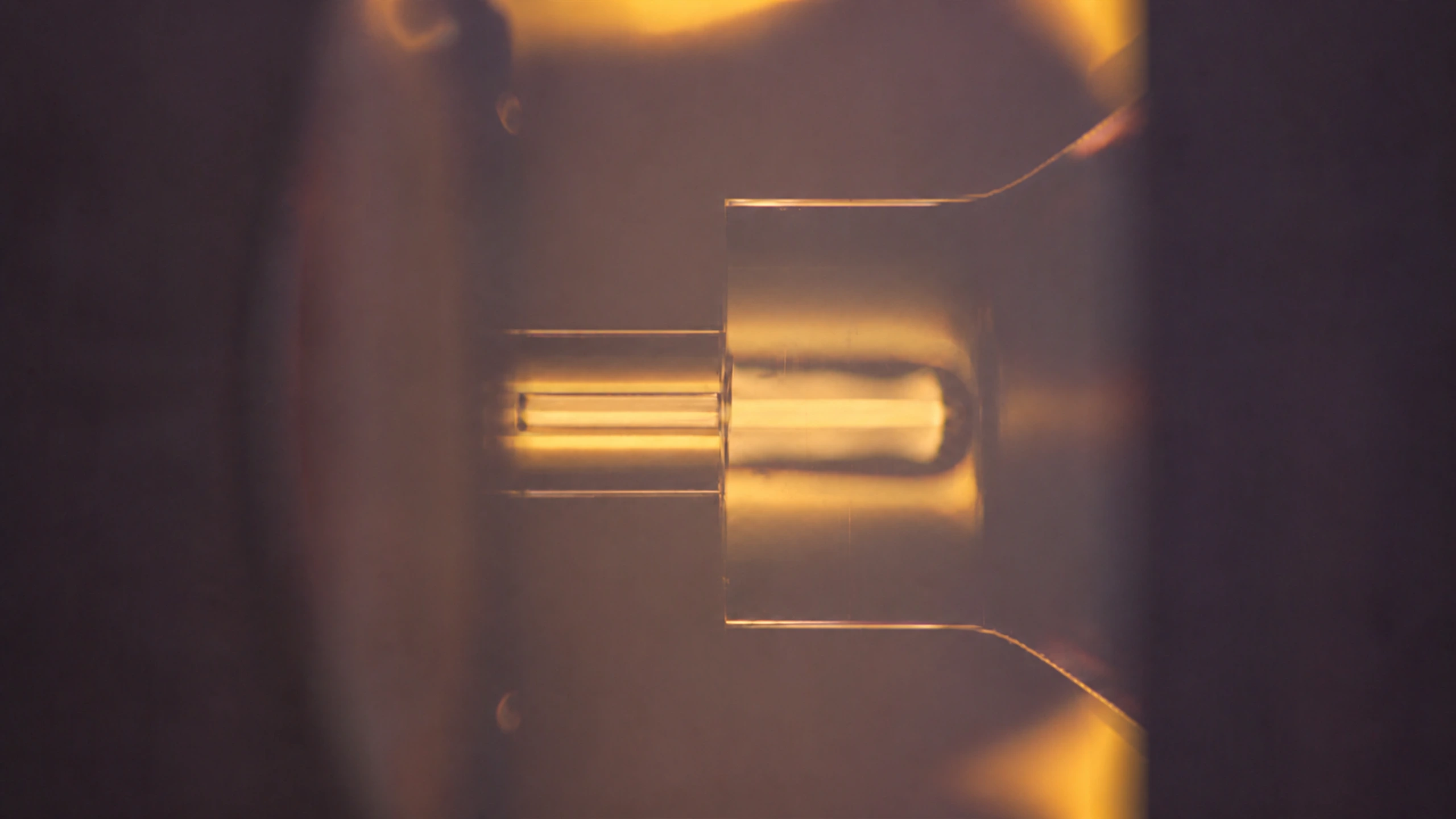
Endcaps and Beam Conditioning
Custom endcap preparation, beam conditioning, and output handling to improve reliability, power handling, and optical performance.
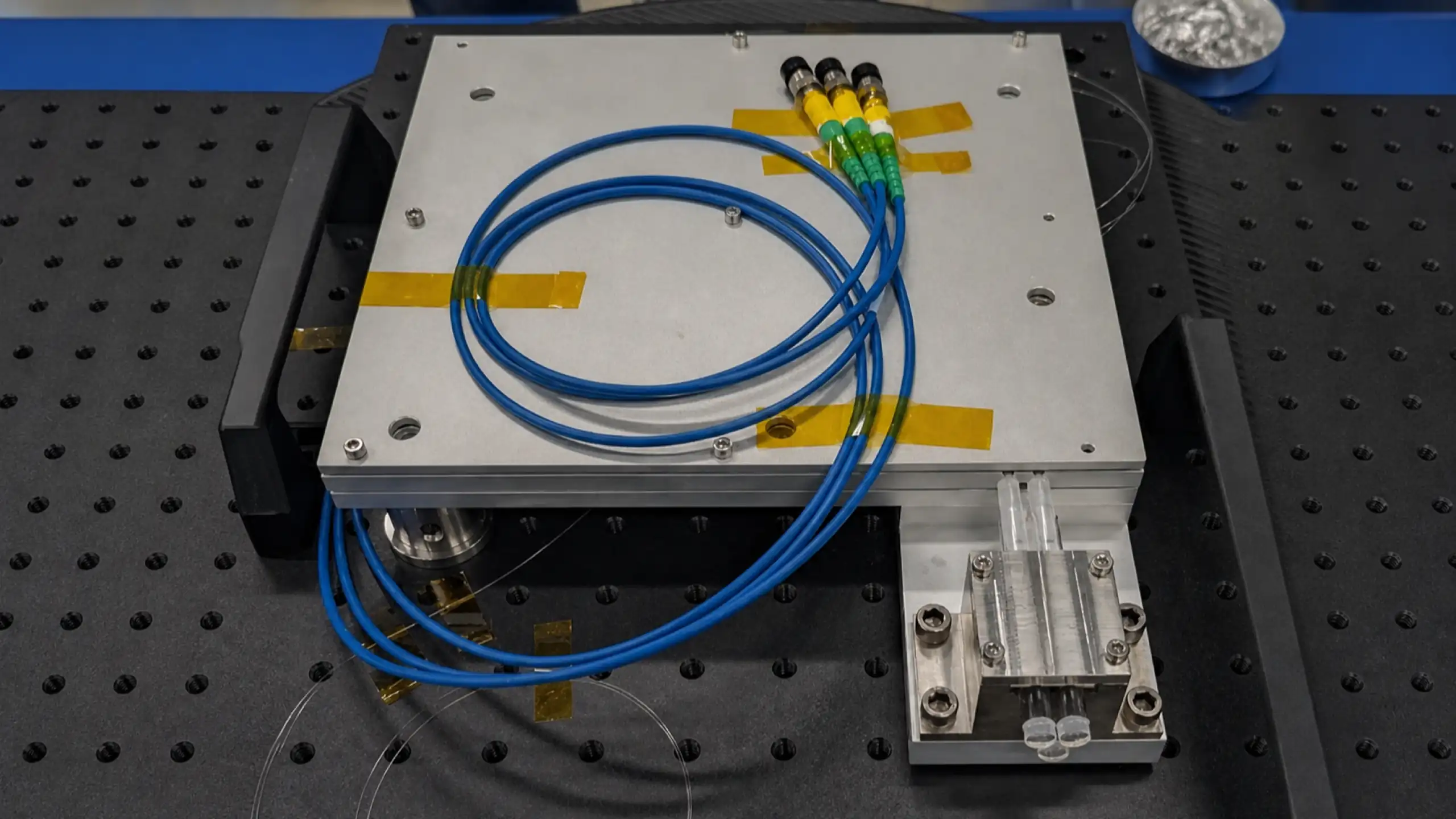
Fiber Amplifier Assembly
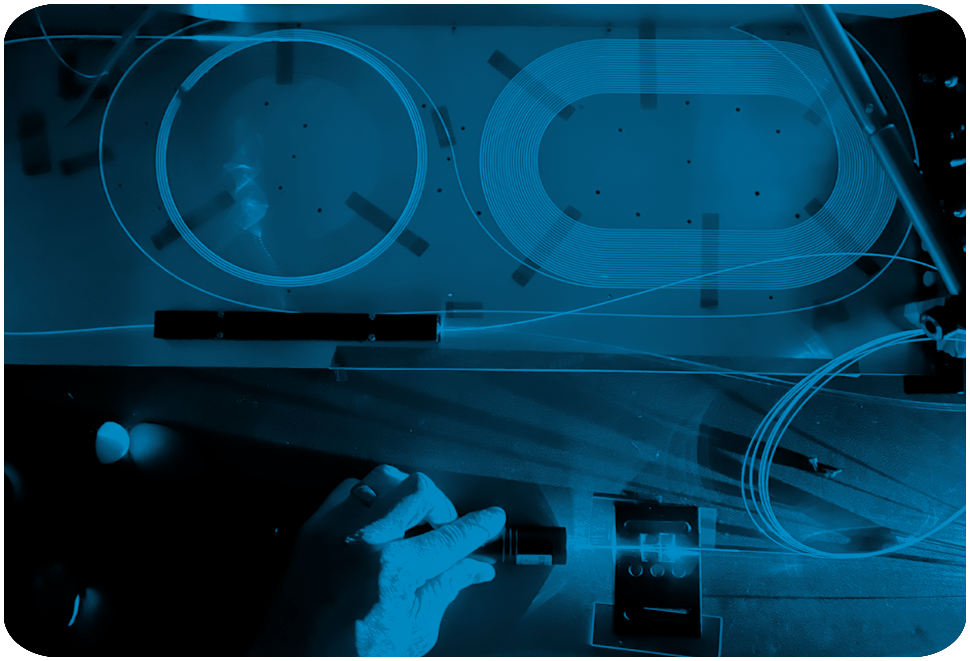
Thermally managed amplifier builds using Optical Engines platform architectures, specialty gain fibers, pump coupling, and controlled fiber routing.
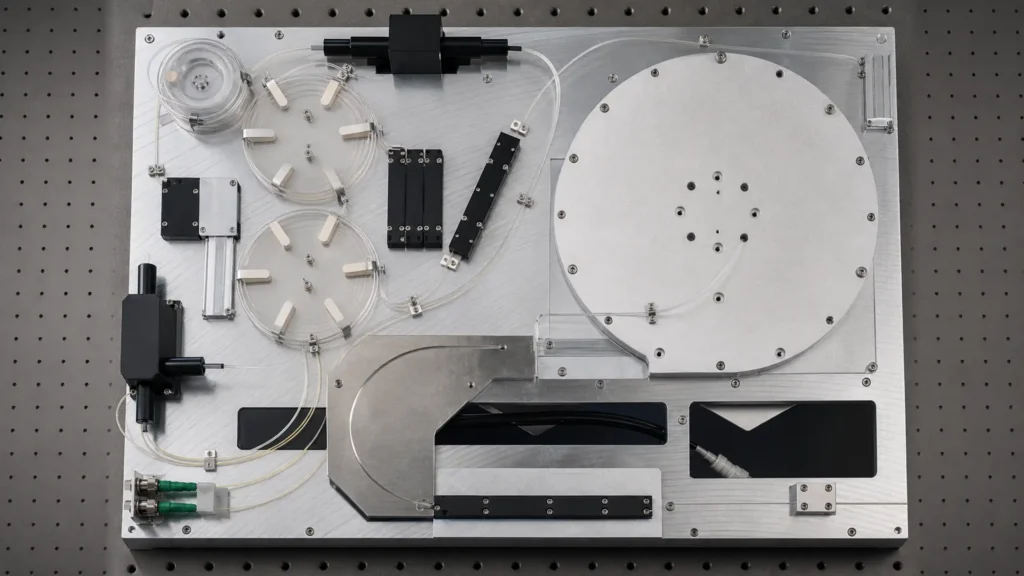
Fiber Packaging and Integration
Mechanical packaging, fiber routing, strain relief, thermal management, and assembly practices that help fiber systems survive real operating environments.
Controls Support When the Fiber Assembly Requires It
For integrated laser platforms, Optical Engines can pair fiber assemblies with monitoring, diagnostics, drivers, firmware, and control interfaces. This support is secondary to the fiber capability and is included when needed to make the full laser architecture work reliably.

Why Fiber Matters
Monolithic fiber architectures reduce reliance on free space optics, mechanical alignment, and contamination sensitive optical paths. When designed and assembled correctly, they can improve stability, reliability, manufacturability, and service life in demanding laser systems.
- Reduced alignment burden through fusion spliced optical paths
- Lower contamination risk versus exposed free space optics
- Improved stability across thermal and mechanical environments
- Repeatable assembly methods for scalable production
- Better fit for compact, rugged, high power laser platforms
Discuss Your Program
Share the fiber type, wavelength, power level, package constraints, operating environment, and system goal. Optical Engines will help determine the right processing, assembly, packaging, or integration path.