
System
Integration.
Optical Engines helps customers turn laser subsystems into field-ready, qualified systems through controls, firmware, thermal design, environmental validation, documentation, commissioning, and hands-on deployment support.

From Subsystem to Field-Ready System
A high-performance laser subsystem still has to work inside a customer’s platform, environment, operating model, and qualification process. Optical Engines supports that transition by aligning interfaces, controls, thermal design, documentation, testing, commissioning, and handoff requirements before the system is deployed.
System Integration Services
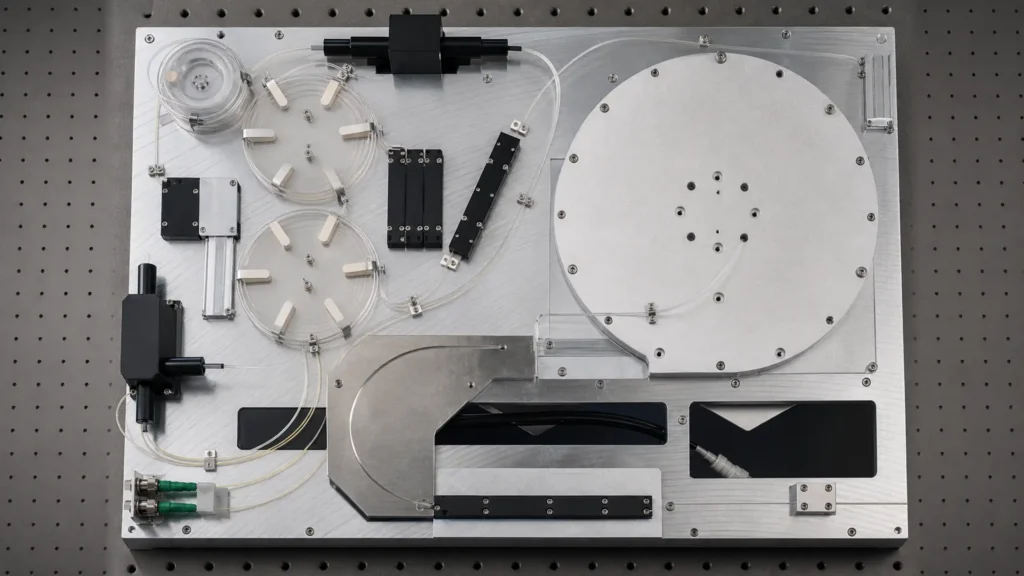
Integration Engineering
Align the laser subsystem with the customer’s platform, controls, and operating environment.
Optical Engines defines and supports the electrical, optical, mechanical, thermal, firmware, software, and control interfaces needed to integrate Optical Engines laser subsystems into customer systems.
- Control electronics and firmware development
- LaserCtrl API integration for remote monitoring
- Thermal management and cooling system design
- Electrical, optical, and mechanical interface definition
- Diagnostics and monitoring integration
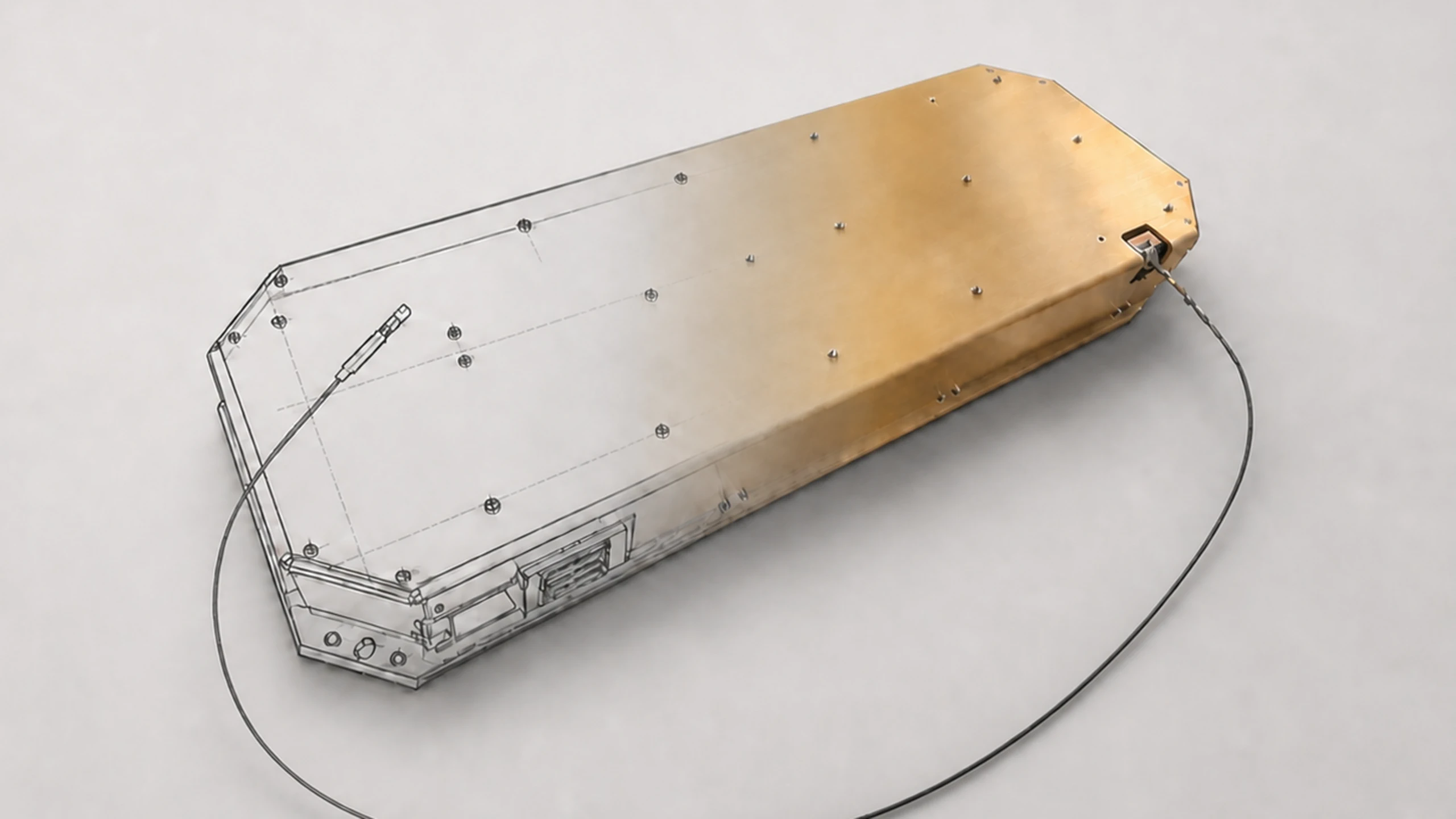
Ship-to-Spec Support
Deliver systems tested, documented, and prepared for customer acceptance.
For defense, space, protected manufacturing, and other restricted programs, Optical Engines can build, test, document, and ship systems against agreed specifications before site access or deployment.
- Specification review and acceptance criteria
- Pre-shipment test and validation
- Documentation package
- ITAR-compliant handling where required
- Customer-specific shipment and handoff requirements
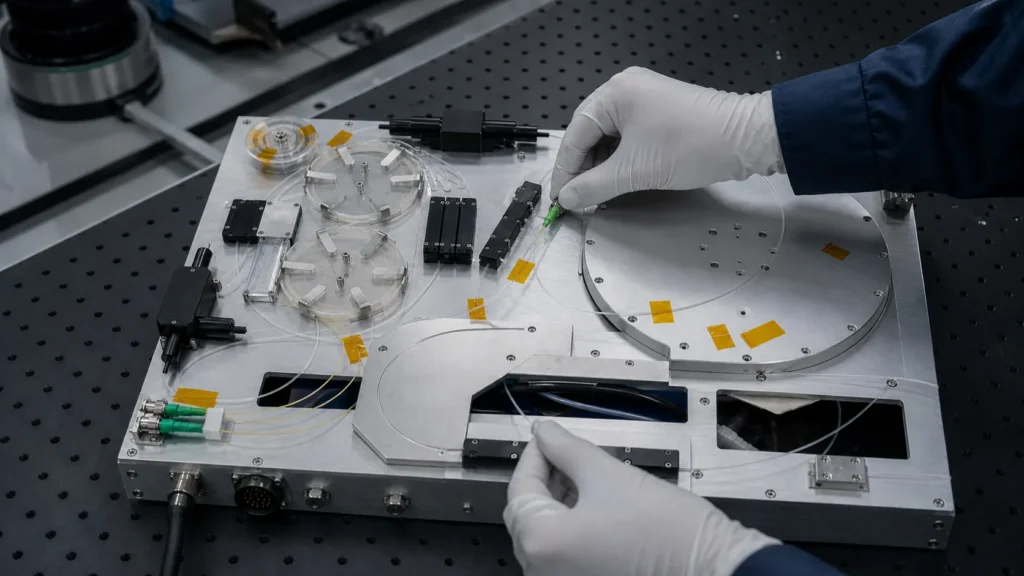
White-Glove Integration
Hands-on support to accelerate commissioning, handoff, and adoption.
When integration risk is high, Optical Engines supports delivery, installation, commissioning, operator training, and field performance confirmation so the system works in the customer’s environment.
- On-site delivery and commissioning
- System integration with customer platform and controls
- Operator training and knowledge transfer
- Field performance confirmation
- Ongoing support and performance monitoring
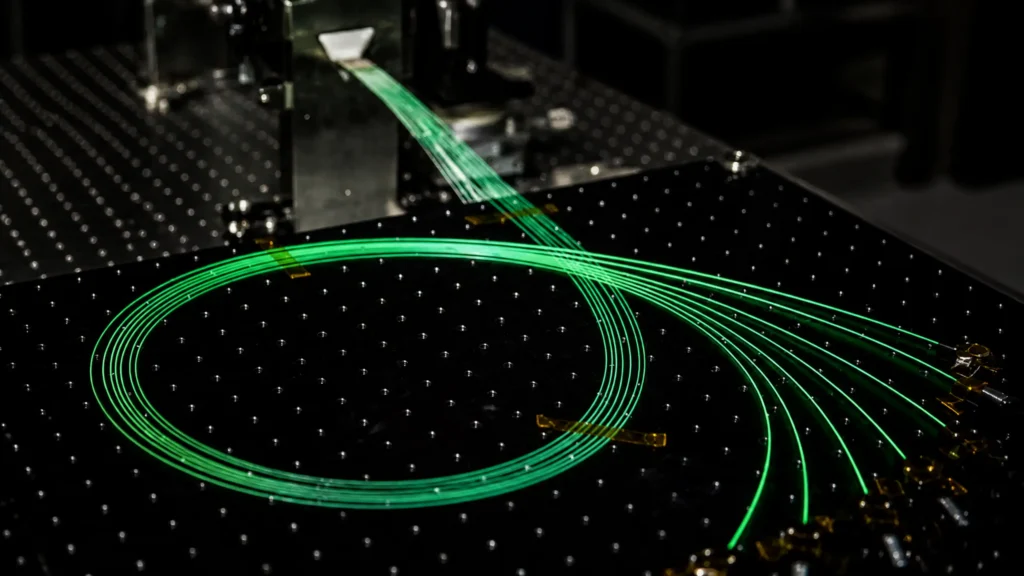
Integration Capabilities
- Control electronics and firmware development
- LaserCtrl API integration for remote monitoring and diagnostics
- Thermal management and cooling system design
- Electrical, optical, and mechanical interface definition
- Environmental qualification testing, including vibration, shock, and temperature
- EMI and EMC compliance and CE or UL certification support
- Space qualification and ITAR-compliant builds where required
- Pre-shipment acceptance testing and documentation
- On-site commissioning, operator training, and field support
Optical Engines integration support is available from prototype through qualified deployment and production transition. Systems can be delivered with standardized or customer-specific electrical, optical, mechanical, software, and documentation interfaces.

Integration Approach

Define
Confirm the application, customer platform, interface requirements, environment, qualification path, documentation needs, and acceptance criteria.

Integrate
Align the laser subsystem with controls, firmware, software, optics, mechanics, thermal design, and customer system interfaces.

Validate
Test performance, environmental readiness, interface behavior, diagnostics, and compliance requirements against agreed specifications.

Ship-to-Spec
Prepare the system, documentation, test records, and shipment package for customer acceptance and controlled handling requirements.

Commission
Support on-site or remote installation, operator training, customer handoff, field performance confirmation, and follow-on support.
Standardized Interfaces for Easier Adoption
Optical Engines designs laser systems with defined electrical, optical, mechanical, software, and thermal interfaces to simplify customer integration and reduce deployment risk.
|
|
Best Fit for System Integration
OEM Platforms
Integrate Optical Engines laser subsystems into repeatable customer equipment.
Defense and Space Programs
Support controlled builds, qualification, documentation, and field readiness.
Protected Manufacturing Environments
Prepare systems for restricted sites where access, shipment, documentation, and acceptance matter.
Production Transition
Move from prototype or engineering build to repeatable deployment with defined interfaces and support.
Plan Your Integration
Share the system architecture, interface needs, qualification requirements, deployment environment, security constraints, and support model. Optical Engines will help define the right integration, validation, ship-to-spec, and commissioning path.